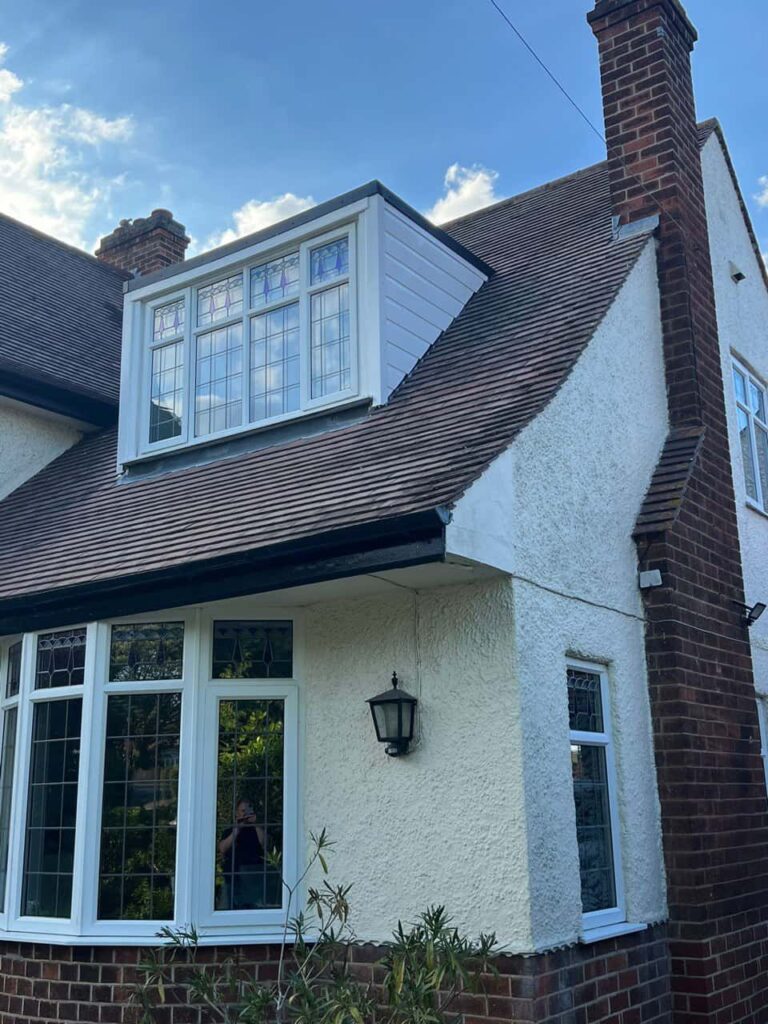
Understanding Delayed Signs of Storm-Related Roof Damage
Roof damage does not always become obvious while a storm is taking place. Tiles may move slightly, flashing can loosen and small openings may develop without causing an immediate internal leak. In some cases, the first visible sign appears days later as a damp patch, ceiling stain or displaced roofing material.
This delay does not necessarily mean that the storm was unrelated. Water can take time to pass through the roof build-up, while weakened components may only fail completely after further wind, rain or temperature changes.
Water Can Travel Through the Roof Slowly
Rainwater entering through a small gap may not drip directly into the room below. It can move along underlay, battens, rafters and other components before reaching the ceiling.
Insulation may absorb some of the moisture, delaying the appearance of dampness indoors. Once the material becomes saturated, water may begin to show through as:
- A growing ceiling stain
- Dampness around a chimney breast
- Peeling paint
- Dripping in the loft
- Darkened roof timbers
- A musty smell
The visible symptom may also appear some distance from the external entry point.
A Tile May Have Moved Without Falling
Strong winds do not always remove a tile completely. They may lift or shift it just enough to weaken its overlap with neighbouring tiles.
The roof might remain dry during part of the storm, particularly if the rain approaches from a different direction. Later rainfall can then pass through the newly created gap and expose the problem.
Slight displacement can be difficult to see from the ground, but it may still leave the underlay more exposed to water.
Storm Damage Can Affect Fixings Beneath the Surface
Tiles and slates rely on nails, clips and battens to remain secure. Wind uplift can strain these components without producing an immediate visible change.
A weakened fixing may fail later as the covering settles or encounters further wind. This can cause tiles to slip several days after the original storm, making the damage seem unrelated.
Where several materials have moved, lifting one tile back into position may not be enough. The surrounding fixings and battens should also be assessed.
Flashing May Gradually Pull Away
Lead flashing protects vulnerable junctions around chimneys, walls, rooflights and changes in roof level. Storm movement can loosen an edge or widen an existing crack.
Water may then enter gradually behind the flashing. Because the route is often concealed, the resulting dampness can take time to reach the interior.
Warning signs include lifted leadwork, gaps at masonry joints and staining close to a roof junction.
Debris Can Cause a Delayed Drainage Problem
Storms can deposit leaves, twigs, moss and broken roofing material in gutters, valleys and outlets. Drainage may continue working initially but become restricted as debris settles or more rain arrives.
Water can then back up beneath roof coverings, overflow behind fascias or collect on flat sections. The resulting leak may not appear until the next period of heavy rainfall.
Checking drainage from a safe position after severe weather can help identify overflowing gutters or visible blockages.
Flat Roof Damage May Take Time to Become Visible
Storm debris can puncture or weaken a flat roof covering without creating an immediate internal leak. Small splits and opened seams may admit moisture gradually.
Water can also become trapped between layers, leading to blistering or soft areas later. Standing water may expose these weaknesses over several days, particularly if outlets are blocked.
A flat roof should be assessed if new pooling, bubbling, lifting or internal dampness appears after a storm.
Loose Materials May Shift After the Weather Improves
Roof components disturbed during strong winds can remain in place temporarily. Normal vibration, gravity and subsequent changes in temperature may then cause them to move.
This explains why a tile, ridge section or piece of mortar can fall after the wind has subsided. The area beneath visibly loose material should be kept clear until the roof has been inspected.
Internal Materials Need Time to Show Moisture
Plasterboard, timber and insulation can conceal limited amounts of water before signs become noticeable. A ceiling may initially look dry, then develop discolouration as moisture spreads towards the finished surface.
The size of a stain can continue increasing even after the rain stops because water already inside the roof is still travelling or draining. This is why a delayed damp patch should not be dismissed simply because the weather is now dry.
What Should You Check After a Storm?
From ground level and inside the property, look for changes such as:
- Missing, slipped or uneven tiles
- Debris on the ground around the property
- Loose ridge or verge materials
- Gutters overflowing or pulling away
- New ceiling stains
- Damp insulation or timbers
- Dripping in the loft
- Changes around chimney flashing
- Standing water on visible flat roof sections
- New rattling noises during windy conditions
Do not climb onto the roof. Storm-damaged materials may be unstable, and wet surfaces can remain slippery after the weather has passed.
Why a Professional Inspection Is Valuable
A professional roof inspection should examine the visible damage and surrounding components. The aim is to identify what moved during the storm, trace any water ingress and determine whether the problem is localised.
The assessment may include the roof covering, fixings, underlay, flashing, ridges, verges, valleys and drainage. This broader view helps prevent concealed weaknesses from being overlooked simply because only one symptom is visible.
Conclusion
Roof problems can appear several days after a storm because water travels slowly through roofing materials, insulation delays internal signs and loosened components may shift later. Debris can also create drainage problems that only become apparent during subsequent rainfall.
If you notice new dampness, displaced tiles or changes to your roof following severe weather, LJ Roofing Chippenham can carry out a thorough assessment. Contact the team to arrange an inspection for your property in Chippenham, Wiltshire.
Call us on: 01249 471 291
Click here to find out more about LJ Roofing Chippenham
Click here to complete our contact form and see how we can help with your roofing needs.