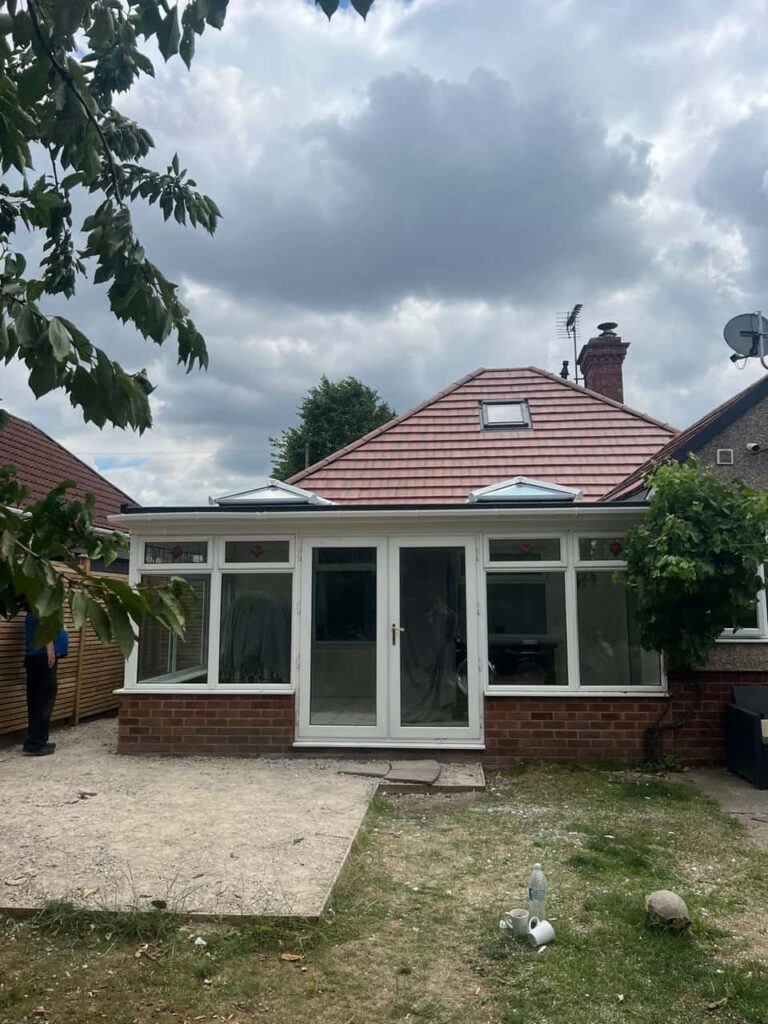
A reliable roof must cope with more than rainfall alone. Strong winds, temperature changes, prolonged damp conditions and periods of intense sunshine can all affect roofing materials and the way different components perform together.
The outer covering is important, but it is only one part of the system. Tiles or slates, underlay, battens, flashing, ventilation and drainage details must all be correctly designed, installed and maintained. For properties in Chippenham, Wiltshire, understanding these elements can help homeowners recognise what makes a roof dependable throughout changing weather conditions.
The Key Elements of a Weather-Resistant Roofing System
A roof protects a property by directing rainwater away, resisting wind uplift and managing moisture within the roof space. Reliability depends on each component supporting the next, without leaving weak points at joints, edges or penetrations.
The principal elements include:
- A secure and correctly overlapped roof covering
- Suitable underlay beneath the tiles or slates
- Properly positioned and fixed battens
- Weatherproof flashing around vulnerable junctions
- Stable ridge, hip, verge and eaves details
- Effective ventilation
- Clear gutters, valleys and outlets
- A sound supporting structure
A defect in one area can place greater pressure on the surrounding materials, which is why the roof should be treated as a complete system.
Secure Tiles or Slates
Tiles and slates provide the main defence against rain. They must be suitable for the roof pitch, aligned correctly and installed with adequate overlaps.
Fixings are equally important. Strong winds can create pressure above and below the roof covering, causing inadequately secured materials to lift, slip or rattle. Roof edges, corners, ridges and verges are often particularly exposed.
A secure covering should shed water efficiently while remaining stable during changing conditions.
Reliable Underlay and Battens
The underlay provides secondary protection if moisture passes beneath the outer covering. It must be laid with appropriate overlaps and carefully detailed around valleys, eaves, chimneys and other penetrations.
Battens support the tiles or slates and maintain the correct spacing between courses. Weak, damaged or incorrectly positioned battens can affect the alignment and security of the covering.
These components are largely concealed once the roof is finished, but they play a significant role in its long-term reliability.
Correctly Formed Leadwork and Junctions
Roof junctions require particular attention because they interrupt the natural flow of water. Chimneys, walls, valleys, vents and roof windows all create points where poor detailing may allow moisture to enter.
Properly fitted flashing and soakers guide water safely onto the surrounding covering. Cracked, lifted or incorrectly formed leadwork can create persistent leaks, even when the nearby tiles appear undamaged.
Reliable junctions depend on accurate installation rather than heavy reliance on surface sealants.
Strong Ridge, Hip and Verge Details
Ridges, hips and verges protect some of the roof’s most exposed edges. Loose components or deteriorating mortar can allow wind-driven rain to penetrate and may leave surrounding tiles vulnerable to movement.
These areas should remain aligned, securely fixed and properly integrated with the main covering. Small changes in position can indicate that the supporting material or fixings are beginning to fail.
Early attention can prevent a localised weakness from affecting a larger section of the roof.
Effective Rainwater Drainage
A roof must move water away quickly and consistently. Gutters, valleys, outlets and downpipes help prevent water from collecting around vulnerable edges and junctions.
Blocked or poorly aligned drainage components can cause water to overflow or back up beneath the roof covering. Valleys are especially important because they carry rainfall from more than one roof slope.
Routine checks should confirm that drainage routes remain clear and that water is travelling in the intended direction.
Ventilation and Moisture Control
Not all roofing moisture comes from outside. Warm, humid air from within a property can enter the roof space and condense against colder surfaces.
Effective ventilation helps manage this moisture and protects the underlay, timbers and insulation from persistent dampness. Ventilation openings must be correctly positioned and kept clear.
A roof that prevents rainwater entering but traps moisture internally cannot be considered fully reliable.
A Stable Supporting Structure
The roof covering relies on the structure beneath it. Sagging, movement or deterioration within supporting timbers can affect tile alignment, open gaps and place strain on junctions.
Structural stability becomes particularly important when wet materials add weight or strong winds place additional pressure on the roof. Any visible distortion in the roofline should therefore be assessed professionally.
The structure must be sound before surface repairs or replacement coverings can provide a lasting result.
Materials That Work Together
A roof is most reliable when its components are compatible. The covering must suit the pitch, the battens must support the required gauge, and the flashing must integrate correctly with adjoining materials.
Substituting unsuitable products or combining systems without careful planning can create weak points. Professional workmanship ensures that materials are selected and fitted as a coordinated system rather than as separate components.
Regular Inspection and Early Repairs
Weather-related deterioration often begins with a small defect. A cracked tile, lifted flashing edge or blocked outlet may cause little immediate disruption, but repeated exposure to rain and wind can allow the problem to spread.
Warning signs include:
- Slipped, cracked or uneven tiles
- Loose ridge or verge materials
- Damp patches within the property
- Debris around the roofline
- Overflowing gutters
- Daylight visible within the roof space
- Changes in the roofline
- New rattling sounds during windy weather
Professional inspection can establish whether the issue is isolated or connected to wider deterioration.
Conclusion
A reliable roofing system combines secure coverings, sound underlay, correctly positioned battens, effective leadwork, stable edges, suitable ventilation and clear drainage. Each element must be installed and maintained correctly so that the roof can respond to rain, wind and temperature changes as one complete system.
LJ Roofing Chippenham provides professional roofing assessments and repairs in Chippenham, Wiltshire. If your roof is showing signs of wear or no longer performing consistently during changing weather, contact the team to arrange an inspection.
Call us on: 01249 471 291
Click here to find out more about LJ Roofing Chippenham
Click here to complete our contact form and see how we can help with your roofing needs.